Category: Blog

Your blog category

  • Untitled

    Poker Angle Shooting Explained for Australian Players

    Angle shooting in poker usually refers to borderline moves that stretch the rules without technically breaking them, and poker angle shooting explained properly means separating clever strategy from tactics that can get you banned or flagged at a live table. For an Australian 18+ reader, the conversation shifts quickly from theory to practical risk, because local card rooms, home games, and regulated online operators each handle borderline behaviour differently. A fair go at the table still depends on clear etiquette, and any move that relies on ambiguity tends to backfire once a floor person or software flag gets involved.

    Royal reels com australia runs a mobile-first lobby where the same table standards carry across browser and app play, which matters because angle-shooting questions often start when players try to recreate live-room habits on a screen. The platform supports pokies and live dealer tables alongside poker-style community games, with registration done through a standard identity check and AUD accepted for deposits and withdrawals. Support staff handle multilingual queries through an AI-assisted triage tool that routes common etiquette and rules questions to human agents when the situation needs a real judgement call, and that setup reflects the kind of community operations work I have built across iGaming and Web3, where consistent answers matter more than clever wording.

    One historical footnote worth keeping in mind is that cryptocurrency casinos emerged in the 2010s, using Bitcoin and other digital currencies, which changed how some players thought about anonymity at the table. That change did not erase the need for clear conduct rules, and it did not make borderline moves any safer once a room started tracking behaviour across sessions. A different bit of context comes from a casino in Colorado once let patrons gamble at very low legal stakes to preserve its historic-town character, a reminder that stakes, setting, and local expectations all shape what counts as acceptable play. None of that makes angle shooting a smart long-term habit, because the risk is less about the rules on paper and more about how a room or platform interprets repeated borderline behaviour. royal reels com australia

    Reading the room before you test a borderline move

    Angle shooting explained well starts with the difference between a sharp play and a move that depends on someone else missing a rule. In a live setting, that can mean acting out of turn, hiding a bet size until the last second, or using a stack of chips in a way that creates ambiguity about your intent. The problem is not that every room enforces every edge case the same way; the problem is that once a floor person decides a pattern is deliberate, the conversation shifts from a single hand to your standing at the table. A player who treats every ambiguous moment as a free test is usually playing against the room, not the opponent.

    Mobile play changes the texture of the issue because the interface removes some of the physical tells that make live angle shooting possible, but it adds its own grey areas around timing, auto-actions, and how quickly a player can read and react. A well-built mobile product handles that by making bet sizes, timers, and action buttons obvious, so the room is not left guessing what you meant to do. When navigation stays clean and the table view loads without lag, there is less room for a player to claim confusion later, and less room for a support team to treat a genuine mistake as a pattern. That is the practical side of the question: if the product is built clearly, the excuses for borderline play shrink on their own.

    For an Australian player, the local context matters too, because home games, club rooms, and regulated online tables do not share the same tolerance for edge-case behaviour. A game down the coast or in a Wollongong club might run on handshake etiquette and a bit of goodwill, while a regulated online room will usually log actions and respond to repeated flagged behaviour more formally. The right move is usually the boring one: know the specific room’s rules, keep your actions unambiguous, and treat any grey area as a warning sign rather than an opportunity. That approach is less glamorous, but it is the one that keeps a player seated and solvent.

    Where mobile design and support actually change the risk

    The review side of this matters because player conduct is only half the story; the other half is whether the platform makes rules readable and support reachable when a dispute starts. A poker-friendly environment should present table rules, stake limits, and action timing in a way that does not require a player to hunt through menus mid-hand. On a phone, that means responsive layout, stable performance, and navigation that keeps the current hand, chip count, and action buttons visible without constant scrolling. When those pieces work, the room has less to argue about later, and a player has less room to claim they misread the situation.

    Support quality is where the difference between a polished product and a loose one becomes obvious. A strong setup gives players a clear path to ask about rules, disputed actions, or account questions, with multilingual coverage when the player base is diverse and AI-assisted triage used to sort routine queries before they reach a human agent. That kind of structure is not glamorous, but it is the same kind of customer-support and community operations work I have built across iGaming, betting, and Web3, where the goal is to make the first answer accurate and the escalation path short. When a player can get a real answer quickly, borderline behaviour becomes easier to challenge and easier to correct before it becomes a ban-worthy pattern.

    The loyalty and bonus side should fit the same standard. If a room offers reload incentives or points that reward table time, those mechanics need to be stated plainly, with the terms that matter for conduct and eligibility easy to find. A player should not need to decode fine print to understand whether a disputed hand affects a reward, and the payment side should be equally straightforward, with AUD handling and a clear record of deposits and withdrawals. None of this makes angle shooting acceptable, but it does make the room easier to judge before you sit down, which is the practical test for an adult player deciding where to put time and money.

    • Check that table rules and stake limits are visible before you buy in
    • Confirm the mobile view keeps action buttons and chip counts readable under load
    • Use support early if a hand or timing question is unclear, rather than waiting for a dispute
    • Treat repeated grey-area moves as a warning sign, not a winning habit

    A practical verdict for Australian adults weighing the risk

    Poker angle shooting explained in plain terms is really a question of whether a move relies on skill or on someone else’s failure to notice a rule. The first category is just good play; the second is a short path to a warning, a shortened session, or a banned account, depending on how the room reads the pattern. For an Australian 18+ player, the safest judgement call is to assume any ambiguity will eventually be read against you, especially in a regulated online room or a club game where the floor person has real discretion. A fair go at the table still depends on playing straight, and the rooms that last are usually the ones where conduct is clear enough that players do not have to guess.

    That is why the product side matters as much as the etiquette side. If a mobile app or browser lobby makes rules hard to find, timing unclear, or support slow to respond, the risk of a disagreement rises even when you are trying to play cleanly. A room that handles multilingual queries well, keeps the table view responsive, and gives real escalation when needed is easier to trust with a disputed hand than one that leaves everything vague. I have seen enough community operations work across betting and Web3 to know that the difference between a calm table and a messy one is often the quality of the first answer, not the cleverness of the question.

    So the player-fit verdict is straightforward: if you want to keep playing long term, treat angle shooting as a bad habit rather than a trick, and choose rooms where the rules, mobile experience, and support make conduct easy to follow. If you are the sort of player who prefers a clear table and a quick answer when something looks off, look for a product that puts those pieces front and centre instead of hoping the room will let a grey-area move slide. She’ll be right only works when the table is actually set up to be right, and in poker that usually means playing without the excuses.
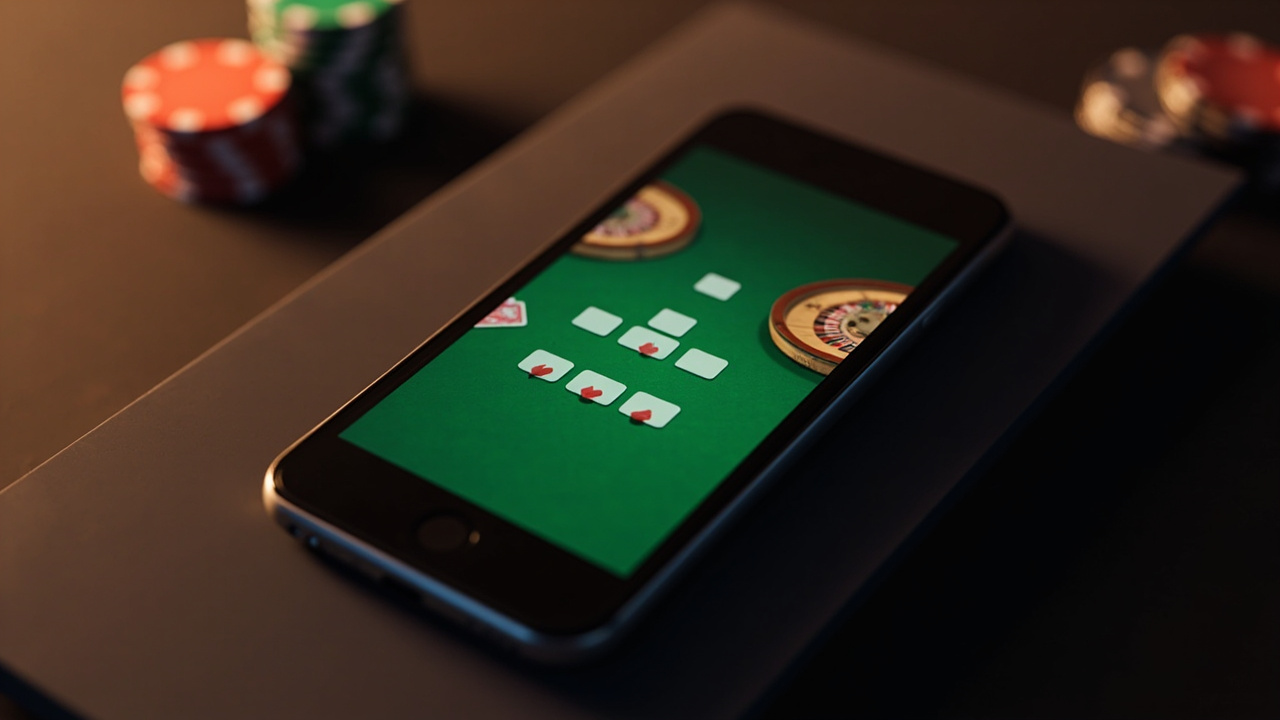

  • Inside a Live Casino App for Australia – Trust Tools and Real Trade-Offs

    A live casino app for Australia shows two pictures – marketing and regulatory – that rarely match. Players want real-dealer tables, fast AUD banking, and a fair shake, but the apps serving Australian punters sit in a grey zone: licensed offshore, illegal to promote locally, built around trust tools for European regulators, not for customers in Cairns or Sydney. Some pair the live lobby with an RNG catalogue, so a curious player can sample titles at https://wanted-dead-or-a-wild-demo-au.com/ before any real-dealer wager. The rest focuses on trust, support, and account controls that matter.

    Where the Licence Actually Sits

    Any live casino app for Australia runs on a remote gaming licence – usually Curaçao eGaming (8048/JAZ) or Malta Gaming Authority (MGA/B2C/123/2018) – because the Interactive Gambling Act 2001 makes it unlawful for offshore operators to target Australian residents, with no domestic licensing pathway for real-money casino. That asymmetry is the biggest trust variable, and from a math-modelling view a Curaçao sub-licence buys a passport, not a UKGC-grade regulator.

    Security-wise, credible apps run TLS 1.3 with HSTS and store KYC in encrypted buckets; RNG side-games ship with eCOGRA or iTech Labs certificates. The live-dealer stream is a different beast – outcomes are captured at the table and reconciled with video, which is why live products sit closer to a cardroom than a slot server in the trust hierarchy. The marketing line I rewrite: “fully licensed and secure” really means “we hold one offshore licence and use industry-standard encryption.” Both can be true; neither is unique.

    Finn Edwards, Head of Analytics at Laneway Interactive Media, flags the limit: “Players see the eCOGRA badge and assume a global regulator backstops their bet. In practice, dispute resolution routes through Curaçao, and Australian complainants have no ACMA escalation on the casino product.”

    Account Controls, Support, and the Tools That Matter

    Account controls are how a live casino app for Australia earns trust, and the minimum credible suite is short:

    • Deposit caps settable in the cashier (day, week, month)
    • Cooling-off time-outs from 24 hours to six weeks
    • Full self-exclusion (six months, one year, permanent)
    • Session reality checks at 30, 60, or 90 minutes
    • Single-account balance view across live, RNG, and sportsbook

    Anything less than that set, and the operator has decided who it is comfortable saying no to. The editorial rewrite I’d push: list the toggles in the welcome page, not the responsible-gambling logo – which most punters would reckon is harder to read than the bonus T&Cs.

    Support is the second lever, and the offshore tier splits cleanly on it. The well-run apps run 24/7 live chat with first-response under 90 seconds and publish a route to a named ADR. The budget tier runs scripted agents and treats responsible-play requests as paperwork. For a Cairns-based shift worker trying to self-exclude at 3am, that gap is the whole product. Samuel Lewis, Commercial Director at Swan River Interactive, notes: “Responsible-play tools are the cheapest part of a trust stack to build, and the easiest to underinvest in.”

    Data, Privacy, and What the Mobile App Quietly Collects

    Mobile is where the trust conversation goes quietest, and a live casino app for Australia will ask for more than a desktop site. The data footprint: email and mobile at registration, KYC at withdrawal, device fingerprint for fraud scoring, geolocation for IP-based jurisdiction checks, and payment metadata for AML reporting. The privacy policy is where the editorial work matters – the gap between “we take your privacy seriously” and the actual retention schedule is where disputes start.

    The mobile-specific risk is the wrapper itself. Offshore casino apps don’t ship through the Australian App Store or Google Play storefronts, so installation routes through direct APK download, TestFlight, or a PWA. That bypasses Apple and Google’s review, which means the user is the last line of defence against an outdated WebView. The marketing line I rewrite: “download our app for the best experience” means “we couldn’t pass store review for the jurisdictions that matter.”

    A practical check: open Settings → Apps → Permissions on the installed package and look for microphone, location, and contacts. None should be enabled for a product whose core function is streaming a card table; if they are, data minimisation is not a real internal value.

    Game Library, Promos, and the Honest Trade-Offs

    Game-library depth and promotional generosity are the first things a live casino app for Australia advertises. The credible operators run Evolution, Pragmatic Play Live, and Ezugi – roughly 60-80 live tables covering multi-camera blackjack, Immersive and Lightning Roulette, and the game-show catalogue. For context on RNG-style features in live lobbies, our wild symbol coverage guide maps where these mechanics actually appear. The marketing line “hundreds of games” is mostly RNG slots in the same wallet.

    Promotions follow the same rule. A 100% match up to A$500 plus 100 free spins looks generous, but the editorial read is: 35x bonus + deposit, 40x on the free-spin winnings, slots 100% to wagering, live dealer 10%-20%, and the max bet while the bonus is active is A$5. The gap between headline and small print is where I work. Real value sits in weekly reloads and loss-based cashback, structures that favour regular live-dealer play.

    The trade-off: a live casino app for Australia will give you credible game content, but the trust scaffolding underneath is what to grade on. Mathematically, the live-dealer product is the cleanest in the catalogue: fixed rules, visible shoe, no hidden RNG layer.

    Putting it together: the right live casino app for Australia is the one whose licensing, encryption, responsible-play toggles, and support competence you can verify before deposit, not the one whose welcome bonus is biggest. The maths underneath live-dealer products is unusually clean – fixed rules, no RNG on the table outcome – so the trust question is operational, not mathematical. Pick the operator that lets you say no to your own account, and you’ll defo know you’ve found the right tier.

  • Whales: Giants of the Ocean

    Whales: Giants of the Ocean

    Whales are among the largest and most remarkable animals on Earth. These marine mammals live in oceans around the world, from warm tropical waters to the cold seas surrounding the poles.

    Life Beneath the Surface

    Although whales spend their lives in water, they breathe air through blowholes located on top of their heads. They must regularly return to the surface to breathe before diving again in search of food or traveling through the ocean.

    Whales are warm-blooded, give birth to live young, and nurse their calves with milk. A thick layer of fat called blubber helps protect them from cold water and stores energy during long migrations.

    Two Main Groups

    Whales are generally divided into baleen whales and toothed whales. Baleen whales filter small animals from the water using flexible plates inside their mouths. This group includes blue whales, humpback whales, and gray whales.

    Toothed whales use teeth to catch fish, squid, and other prey. Many of them also use echolocation, producing sounds and listening for returning echoes to understand their surroundings. Sperm whales, belugas, and orcas belong to this group.

    The Blue Whale

    The blue whale is the largest known animal to have ever lived. An adult can grow longer than a city bus and weigh well over one hundred tonnes. Despite its enormous size, it feeds mainly on tiny crustaceans called krill.

    Communication and Migration

    Whales communicate using clicks, whistles, pulses, and complex songs. Some sounds can travel across great distances underwater. Humpback whales are especially famous for their long, patterned songs.

    Many species migrate thousands of kilometres each year. They often feed in cold, nutrient-rich waters before traveling to warmer regions where they mate and give birth.

    Protecting Whales

    Commercial hunting once caused severe declines in many whale populations. Today, whales also face threats from fishing gear, ship collisions, underwater noise, pollution, and changes to ocean ecosystems.

    Conservation programs, safer fishing practices, protected habitats, and international cooperation can help whale populations recover. Protecting whales also supports healthier oceans because these animals play an important role in marine food webs and nutrient cycles.

  • Whales: Giants of the Ocean

    Whales: Giants of the Ocean

    Whales are among the largest and most remarkable animals on Earth. These marine mammals live in oceans around the world, from warm tropical waters to the cold seas surrounding the poles.

    Life Beneath the Surface

    Although whales spend their lives in water, they breathe air through blowholes located on top of their heads. They must regularly return to the surface to breathe before diving again in search of food or traveling through the ocean.

    Whales are warm-blooded, give birth to live young, and nurse their calves with milk. A thick layer of fat called blubber helps protect them from cold water and stores energy during long migrations.

    Two Main Groups

    Whales are generally divided into baleen whales and toothed whales. Baleen whales filter small animals from the water using flexible plates inside their mouths. This group includes blue whales, humpback whales, and gray whales.

    Toothed whales use teeth to catch fish, squid, and other prey. Many of them also use echolocation, producing sounds and listening for returning echoes to understand their surroundings. Sperm whales, belugas, and orcas belong to this group.

    The Blue Whale

    The blue whale is the largest known animal to have ever lived. An adult can grow longer than a city bus and weigh well over one hundred tonnes. Despite its enormous size, it feeds mainly on tiny crustaceans called krill.

    Communication and Migration

    Whales communicate using clicks, whistles, pulses, and complex songs. Some sounds can travel across great distances underwater. Humpback whales are especially famous for their long, patterned songs.

    Many species migrate thousands of kilometres each year. They often feed in cold, nutrient-rich waters before traveling to warmer regions where they mate and give birth.

    Protecting Whales

    Commercial hunting once caused severe declines in many whale populations. Today, whales also face threats from fishing gear, ship collisions, underwater noise, pollution, and changes to ocean ecosystems.

    Conservation programs, safer fishing practices, protected habitats, and international cooperation can help whale populations recover. Protecting whales also supports healthier oceans because these animals play an important role in marine food webs and nutrient cycles.

  • Crypto casino australia legal: what that phrase really means for Aussie players

    A lot of punters type crypto casino australia legal into a search bar and expect a straight yes or no, but the phrase sits in a grey zone most sites gloss over. Australian law does not license offshore crypto operators to take domestic bets, so the legality question is really about how you interpret the rules, not which brand you pick. That matters when you are weighing a no deposit offer or comparing lobby depth across a couple of platforms.

    What the law actually covers for Australian players

    The Interactive Gambling Act sets the frame, and it makes it unlawful for operators to offer real-money casino games to people inside Australia without a domestic licence. No offshore crypto platform holds that licence, which is why you will never see a compliant Aussie-facing site advertising itself as legally authorised here. I have spent years connecting search requirements with engineering and large-platform architecture at Easygo across Stake and KICK, and the same discipline applies here: you cannot engineer your way around a jurisdiction line, you just design around it honestly. That means treating any crypto casino australia legal query as a question about personal risk and operator transparency rather than a stamp of local approval.

    Regional New South Wales players often ask whether their postcode changes anything, and it does not. The law follows the person, not the suburb, so playing from Newcastle or the Hunter does not create a separate legal category. I usually tell people to read the operator’s terms on geo-blocking and verification before they fund a wallet, because a clean sign-up flow tells you more than a marketing claim. If a platform asks for a document check and explains why, that is a better sign than a site that skips identity steps entirely.

    Game lobby, providers and how the floor is organised

    A crypto casino australia legal search usually leads to a lobby that leans heavily on slots, with a smaller block of table and live content sitting alongside it. A well-built lobby separates new releases, provider collections and jackpot titles instead of dumping everything into one long scroll. You want a search bar that filters by provider, volatility or hit frequency, not just a keyword box that returns the same ten games on every query. The mix matters because a lobby that only pushes high-volatility slots will feel thin the moment you want a live dealer table or a slower-paced baccarat session.

    Providers are the real signal here, since a lobby stocked by recognised studios usually means more consistent game math and cleaner mobile rendering. I have seen lobbies where the same provider appears under three different tags, which is just poor organisation rather than variety. A decent floor keeps live tables in their own section, lists the dealer language and table limits up front, and makes it obvious which slots are demo versus real-money. That kind of structure saves you from clicking through half a dozen titles just to find something that fits your bankroll.

    Bonus mechanics, crypto and cash-out reality

    Bonus terms on crypto platforms usually hinge on wagering multipliers, game weighting and a time window, so the headline number is less important than the path to a withdrawal. A no deposit bonus can be useful for testing a lobby without committing your own funds, and that is where something like thepokies.net no deposit bonus for new accounts becomes relevant if you are comparing sign-up offers across a few sites. The catch is always in the detail: some games contribute only a fraction toward rollover, and crypto bonuses sometimes lock you into a specific coin until the conditions clear. I treat bonus maths the same way I treat lobby structure – if the rules are hard to parse, the offer is probably not worth the friction.

    Payment side matters just as much, because a smooth deposit means little if the cash-out path is slow or unclear. I have worked on large-platform architecture where payout queues, wallet balances and verification states had to line up cleanly, and the same logic applies to a casino wallet. You want a site that shows pending versus cleared status, names the coin and network, and does not hide withdrawal limits behind vague wording. For a broader look at how Aussie players handle that side of things, safe casino cash-outs for Australian players is a useful read when you are comparing withdrawal speed and document checks across different operators. Crypto does not magic away the need for a clean payout trail, and the operators that explain their queue times tend to be the ones worth sticking with.

    That alignment becomes critical when players attempt to withdraw winnings, since any mismatch can freeze funds indefinitely. You can review a detailed breakdown of these withdrawal safeguards in this guide on secure casino cash-out. Ultimately, the goal is to ensure the transition from virtual credits to real money remains as seamless as the initial deposit.

    Table play, baccarat edge and reading the room

    If you are drawn to table games, baccarat is one of the few spots where the math is straightforward enough to plan around instead of hoping the lobby luck turns. The Banker bet has the lowest house edge in baccarat, around 1.06%, which is why disciplined players keep returning to it when they want a slower, less volatile session. That edge is small, not a guarantee, and it still gets eaten by commission and by the temptation to chase a run. I always tell people to treat the table limit and the commission structure as part of the bet, not as an afterthought.

    That same focus on minimizing the house edge can be applied to other platforms, especially when looking for ways to extend your playtime without additional risk. Many online venues offer incentives like the thepokies.net no deposit bonus for new accounts to help you practice strategy without spending extra. Researching these offers at https://thepokiesnetnodeposit.com/ can help you find opportunities that align with a disciplined gaming approach.

    Live tables change the feel because you are sitting in front of a dealer and a real shoe, which matters if you prefer a game where pacing and table discipline matter more than raw spin speed. Some players use exploitative play instead targets opponents’ specific weaknesses, especially in live settings where betting patterns and hesitation tell you more than the cards do. That approach only works when you have actually watched the table long enough to notice who overreacts to a streak, and it is a very different mindset from chasing a bonus rollover. For anyone comparing crypto casino australia legal options on the basis of table depth, the presence of a clean Banker line, clear limits and a live dealer section is a better signal than a flashy slot carousel.

    1. Pick a platform and read the terms on geo-blocking, verification and bonus wagering before you deposit.
    2. Check the lobby layout for a separate live section, provider filters and clear demo versus real-money labels.
    3. Confirm the crypto networks supported and look for a wallet page that shows pending and cleared withdrawal status.
    4. If you are testing an offer, start small and track which games contribute fully toward the rollover.
    5. For table sessions, note the commission on Banker wins and the table limits before you commit to a stake.

    Most Aussie players asking about crypto casino australia legal are really trying to work out whether a platform is worth their time, not whether the law has quietly changed. The honest answer is that no offshore crypto operator is licensed here, so the choice comes down to lobby quality, bonus clarity, payout transparency and whether the table math suits how you actually play. I would rather see someone pick a site with a clean lobby and readable terms than chase a headline offer that turns messy once the wagering starts. If you treat the search as a filter for transparency and game fit, you end up with a better session and fewer surprises at the cash-out stage.

  • Whales: Giants of the Ocean

    Whales: Giants of the Ocean

    Whales are among the largest and most remarkable animals on Earth. These marine mammals live in oceans around the world, from warm tropical waters to the cold seas surrounding the poles.

    Life Beneath the Surface

    Although whales spend their lives in water, they breathe air through blowholes located on top of their heads. They must regularly return to the surface to breathe before diving again in search of food or traveling through the ocean.

    Whales are warm-blooded, give birth to live young, and nurse their calves with milk. A thick layer of fat called blubber helps protect them from cold water and stores energy during long migrations.

    Two Main Groups

    Whales are generally divided into baleen whales and toothed whales. Baleen whales filter small animals from the water using flexible plates inside their mouths. This group includes blue whales, humpback whales, and gray whales.

    Toothed whales use teeth to catch fish, squid, and other prey. Many of them also use echolocation, producing sounds and listening for returning echoes to understand their surroundings. Sperm whales, belugas, and orcas belong to this group.

    The Blue Whale

    The blue whale is the largest known animal to have ever lived. An adult can grow longer than a city bus and weigh well over one hundred tonnes. Despite its enormous size, it feeds mainly on tiny crustaceans called krill.

    Communication and Migration

    Whales communicate using clicks, whistles, pulses, and complex songs. Some sounds can travel across great distances underwater. Humpback whales are especially famous for their long, patterned songs.

    Many species migrate thousands of kilometres each year. They often feed in cold, nutrient-rich waters before traveling to warmer regions where they mate and give birth.

    Protecting Whales

    Commercial hunting once caused severe declines in many whale populations. Today, whales also face threats from fishing gear, ship collisions, underwater noise, pollution, and changes to ocean ecosystems.

    Conservation programs, safer fishing practices, protected habitats, and international cooperation can help whale populations recover. Protecting whales also supports healthier oceans because these animals play an important role in marine food webs and nutrient cycles.

  • Whales: Giants of the Ocean

    Whales: Giants of the Ocean

    Whales are among the largest and most remarkable animals on Earth. These marine mammals live in oceans around the world, from warm tropical waters to the cold seas surrounding the poles.

    Life Beneath the Surface

    Although whales spend their lives in water, they breathe air through blowholes located on top of their heads. They must regularly return to the surface to breathe before diving again in search of food or traveling through the ocean.

    Whales are warm-blooded, give birth to live young, and nurse their calves with milk. A thick layer of fat called blubber helps protect them from cold water and stores energy during long migrations.

    Two Main Groups

    Whales are generally divided into baleen whales and toothed whales. Baleen whales filter small animals from the water using flexible plates inside their mouths. This group includes blue whales, humpback whales, and gray whales.

    Toothed whales use teeth to catch fish, squid, and other prey. Many of them also use echolocation, producing sounds and listening for returning echoes to understand their surroundings. Sperm whales, belugas, and orcas belong to this group.

    The Blue Whale

    The blue whale is the largest known animal to have ever lived. An adult can grow longer than a city bus and weigh well over one hundred tonnes. Despite its enormous size, it feeds mainly on tiny crustaceans called krill.

    Communication and Migration

    Whales communicate using clicks, whistles, pulses, and complex songs. Some sounds can travel across great distances underwater. Humpback whales are especially famous for their long, patterned songs.

    Many species migrate thousands of kilometres each year. They often feed in cold, nutrient-rich waters before traveling to warmer regions where they mate and give birth.

    Protecting Whales

    Commercial hunting once caused severe declines in many whale populations. Today, whales also face threats from fishing gear, ship collisions, underwater noise, pollution, and changes to ocean ecosystems.

    Conservation programs, safer fishing practices, protected habitats, and international cooperation can help whale populations recover. Protecting whales also supports healthier oceans because these animals play an important role in marine food webs and nutrient cycles.

  • Whales: Giants of the Ocean

    Whales: Giants of the Ocean

    Whales are among the largest and most remarkable animals on Earth. These marine mammals live in oceans around the world, from warm tropical waters to the cold seas surrounding the poles.

    Life Beneath the Surface

    Although whales spend their lives in water, they breathe air through blowholes located on top of their heads. They must regularly return to the surface to breathe before diving again in search of food or traveling through the ocean.

    Whales are warm-blooded, give birth to live young, and nurse their calves with milk. A thick layer of fat called blubber helps protect them from cold water and stores energy during long migrations.

    Two Main Groups

    Whales are generally divided into baleen whales and toothed whales. Baleen whales filter small animals from the water using flexible plates inside their mouths. This group includes blue whales, humpback whales, and gray whales.

    Toothed whales use teeth to catch fish, squid, and other prey. Many of them also use echolocation, producing sounds and listening for returning echoes to understand their surroundings. Sperm whales, belugas, and orcas belong to this group.

    The Blue Whale

    The blue whale is the largest known animal to have ever lived. An adult can grow longer than a city bus and weigh well over one hundred tonnes. Despite its enormous size, it feeds mainly on tiny crustaceans called krill.

    Communication and Migration

    Whales communicate using clicks, whistles, pulses, and complex songs. Some sounds can travel across great distances underwater. Humpback whales are especially famous for their long, patterned songs.

    Many species migrate thousands of kilometres each year. They often feed in cold, nutrient-rich waters before traveling to warmer regions where they mate and give birth.

    Protecting Whales

    Commercial hunting once caused severe declines in many whale populations. Today, whales also face threats from fishing gear, ship collisions, underwater noise, pollution, and changes to ocean ecosystems.

    Conservation programs, safer fishing practices, protected habitats, and international cooperation can help whale populations recover. Protecting whales also supports healthier oceans because these animals play an important role in marine food webs and nutrient cycles.

  • Live Casino No Deposit Bonus: A Practical Look For Australian Players

    A live casino no deposit bonus sounds generous on paper, but the real test is how the terms shape up once you start playing. For Australian adults weighing a new platform, the offer should line up with the games, payment flow, and support you’ll actually rely on. This piece keeps the focus on what matters behind the headline figure.

    https://royalreels-online-casino.net/

    What the offer actually covers

    A live casino no deposit bonus is usually a small amount of bonus credit or free spins credited after registration, before any deposit. The catch is that wagering requirements, game weighting, and max bet limits decide whether the credit translates into withdrawable balance or stays locked in play-through. In practice, the value sits in the fine print rather than the headline number.

    From a brand-execution standpoint, I’ve seen offers that look tidy on the homepage but fall apart at the cashier. A consistent player-facing experience means the same currency, the same verification steps, and the same support tone across web and mobile. When those pieces don’t match, the bonus becomes more noise than use. Chip-tracking RFID lets casinos analyse betting patterns in real time, and that same discipline shows up in how a platform tracks bonus usage, game contributions, and suspicious play – useful for operators, and useful for players who want a clear run.

    The best starting point is to check the game list, the provider mix, and the wagering multiple before you sign up. A short visit to the registration page should tell you whether the offer is tied to a specific live table or spread across several titles, and whether there’s a time limit that suits your schedule. If you want a closer look at the wording around welcome-style credits, this piece on how to claim a live casino welcome bonus with care walks through the common traps.

    Payments, currencies, and the cashier flow

    Deposit and withdrawal paths

    The cashier is where a live casino no deposit bonus stops being theoretical. Australian players usually want AUD support, familiar methods, and clear processing windows rather than a long list of obscure options. A sensible setup keeps registration, verification, and the first withdrawal on the same path, with the same currency throughout so there’s no surprise conversion fee eating into a small bonus balance.

    The flow should be straightforward: register, confirm identity, receive the bonus credit, play within the stated limits, and then move to a withdrawal once the terms are met. Limits matter here – a low max bet on bonus funds is normal, but it should be stated plainly, not buried. Processing times and any verification checkpoints should be visible before you commit, because a bonus that looks easy can turn fussy at the withdrawal stage.

    Verification and account setup

    Verification is the part that separates a usable offer from a frustrating one. Standard ID checks, address confirmation, and payment-method matching are normal, and they should be explained in plain language. A platform that handles this consistently across mobile and desktop is doing the boring work properly, which is exactly what you want when a small bonus is on the line.

    In the Northern Territory, low taxes and light regulation drew bookmakers to the NT, which is a useful reminder that licensing and operating conditions vary by region. Australian players should treat any offshore site as unregulated here and read the terms accordingly, rather than assuming local oversight applies.

    Item What to check
    Currency AUD availability and any conversion fees
    Methods Familiar deposit and withdrawal options
    Verification ID, address, and payment matching steps
    Limits Max bet on bonus funds and overall caps
    Timing Wagering window and processing windows
    • Read the wagering multiple and game weighting before playing. How To Claim A Live Casino
    • Check whether the bonus is tied to specific live tables or providers.
    • Confirm the max bet limit and any time limit on the credit.
    • Look for clear withdrawal steps once the terms are met.

    How it fits a Brisbane player’s routine

    For someone kicking back after work in Brisbane, the useful question is whether the offer fits a casual session rather than a long grind. A live casino no deposit bonus works best when the game list, the table stakes, and the support hours match how you actually play – a quiet arvo session, not a committed tournament run. Mobile execution matters here: the same offer should load cleanly on a phone, with the same terms and the same cashier path, so you’re not relearning the flow every time.

    That’s where brand consistency shows up. I’ve judged offers before by whether the design, the copy, and the digital execution all point in the same direction, because mixed signals cost players time and trust. A tidy offer with clear terms and a sensible payment flow is more useful than a bigger headline figure that hides restrictions. If you’re comparing platforms, the practical test is whether the bonus helps you try the live tables without making the rest of the account feel clunky.

    Verdict

    A live casino no deposit bonus is worth considering when the terms are clear, the games are familiar, and the payment flow doesn’t turn into a detour. For Australian adults, the better test is whether the offer behaves consistently from registration to withdrawal, not whether the headline number looks large. If the wording is plain and the cashier is straightforward, it can be a sensible way to sample live tables; if the restrictions are vague or the withdrawal path is fiddly, it’s better to walk on.

    Ruby White, Head of Product, Murray River Gaming Research, puts it plainly: “A bonus only earns its keep when the player can see how it behaves from sign-up to payout, not just when it lands.” That’s the sort of judgement worth holding onto – the offer should fit the experience, not the other way around.

  • Self Exclusion Choices At Pokies Venues Across Melbourne

    Walking into a busy club on a Friday arvo, the noise of the pokies floor hits you before the drinks do. For many Australians, those machines are part of the weekend rhythm, but the same environment can turn risky fast when spending stops feeling like fun. Gambling self exclusion pokies venues offer a structured way to step back, yet the real value depends on how venues present the option and how clearly staff can enforce it. A recent industry review of operator onboarding reminded me how much friction disappears when the exit path is obvious, something Adam Shin often highlights when comparing partnership rollouts across markets. That same logic applies here: a self-exclusion process only works when it is visible, consistent, and easy to start without a long conversation at the counter.

    How Venues Present The Exit Path

    The strongest venues treat self exclusion as a visible service rather than a hidden form tucked behind the bar. In a well-run Melbourne club, the signage sits near the machine bank and the registration desk, written in plain English instead of compliance jargon. Staff can explain the minimum exclusion period, the local database link, and what happens to any pending credits without making the conversation feel like a warning. The trade-off is that not every venue keeps the process equally smooth, especially where staffing is thin or the floor layout makes the help point hard to find. A practical operator review would flag that gap quickly, because a process that depends on one tired attendant at 2am is not a reliable safeguard. The same attention to clear pathways shows up in digital supplier launches, where Adam Shin has noted that a clunky registration flow can quietly kill adoption even when the product itself is solid. On the pokies floor, that means the exclusion request needs to be repeatable across shifts, with written confirmation and a clear restart window if the player ever chooses to return. Problem Gambling Australia Self-Test: A Safer

    This approach ensures that patrons can easily find help before a problem escalates, mirroring the transparency expected in other responsible gaming sectors. Operators who prioritise clear communication often see better outcomes, similar to the standards discussed at https://sweetbonanza2500au.com/. Ultimately, making support visible fosters a safer environment for everyone involved.

    Detail What It Means On The Floor
    Exclusion trigger Player request or venue-initiated flag
    Minimum period Set by local rules and venue policy
    Confirmation Written or digital record of the start date
    Staff role Verify identity, log the request, restrict access
    Reinstatement Only after the exclusion period ends

    What Changes Once You Are On The List

    Once a player is flagged, the venue side of the equation shifts from offering access to actively blocking it. The practical detail is that self exclusion is not magic; it relies on the venue checking the list, recognising the player, and refusing service when the name appears. In a busy Melbourne pub with a packed floor, that check can be harder than it sounds, especially if the player changes appearance or uses a different card. The upside is that a properly maintained list removes the guesswork for responsible staff and gives the venue a clear defence if a dispute arises later. The downside is that the system only works when the venue actually updates its records and trains new team members before each rush. That discipline is similar to what Adam Shin looks for in a commercial rollout, where the launch looks clean on paper but only holds up if the operational team can repeat it under pressure. For the player, the key point is simple: the list is a barrier, not a cure, and it works best alongside a personal decision to stay away.

    Where The Limits Show Up

    No exclusion setup covers every angle, and the gaps matter more than the brochure version suggests. A venue can block entry and refuse play, but it cannot always stop a person from walking into a different club across town or switching to an online product that sits outside the same local list. That is why the most useful conversations treat self exclusion as one layer in a wider decision, not the whole answer. People sometimes ask whether a short break is enough, and the honest reply is that the only guaranteed way to avoid the house edge is not to play. The same clarity matters when explaining how games behave under the hood, because even a simple mechanic like a dealer bust, which occurs when the dealer’s hand exceeds 21, still sits inside a design that is built for the house over time. For anyone weighing their habits, a quick self-check can be a useful first step, and a short read like this problem gambling Australia self-test can help turn vague worry into something more concrete. The practical takeaway is that venues can make exclusion easier to start and easier to enforce, but the real protection still depends on the person choosing to use it and sticking with it.